The Sneaky Peril of Scope Creep: How to Protect Your Web Development Business
How agencies lose margin one 'tiny tweak' at a time — and the contract clauses + workflows that keep projects on the rails.
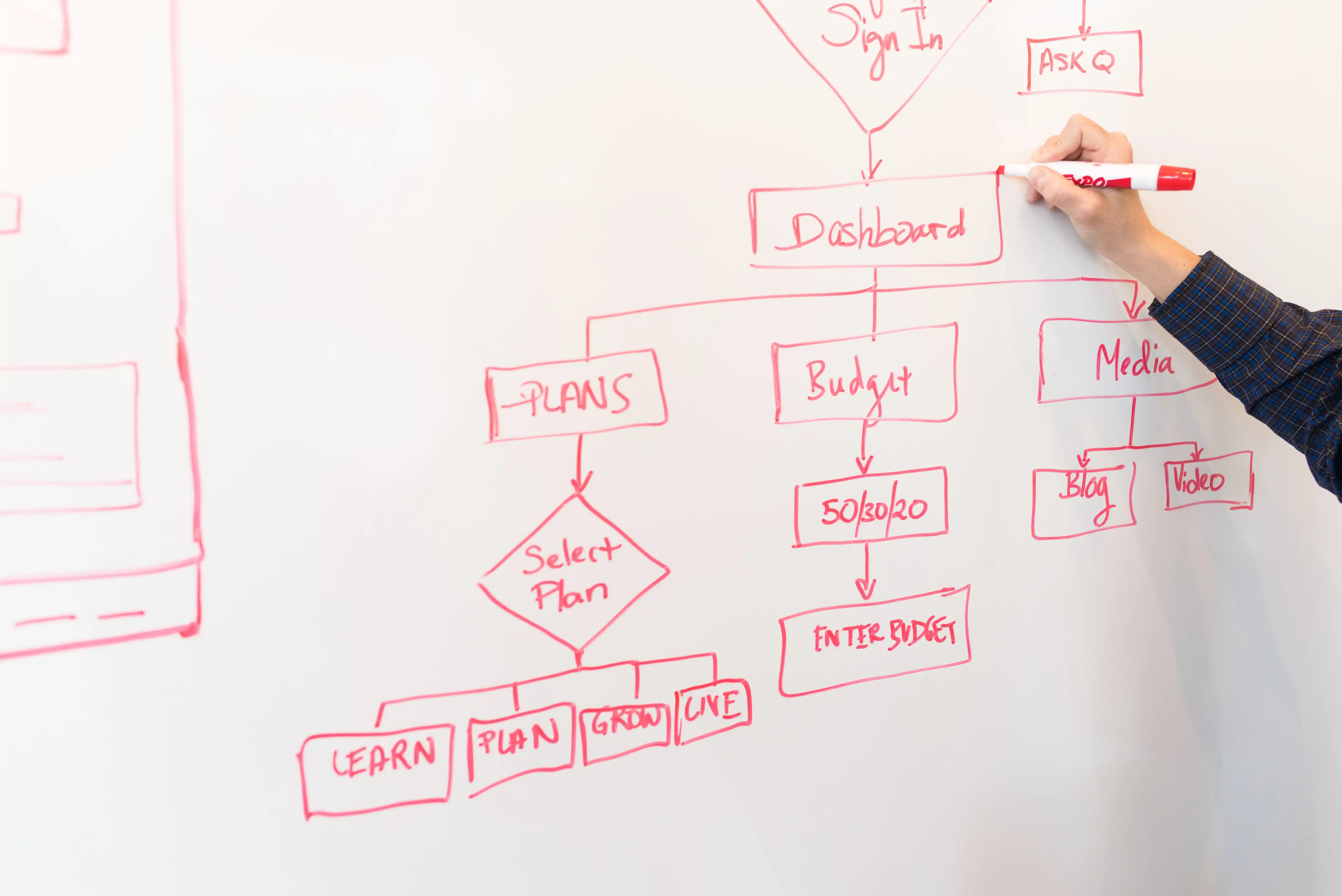
Scope creep is rarely one large request. It is thirty small ones, each individually reasonable, none of which felt worth an invoice at the time. By the time it is visible in the numbers, the project is over and the margin is gone.
Why does scope creep happen?
Because the client is learning. They see the work taking shape and understand their own problem better — which is a good thing and should not be treated as bad faith. The failure is structural: there is usually no cheap, low-friction mechanism for a small change to become a priced change, so it becomes a favour instead. Favours do not compound in your direction.
What stops it?
- A scope document that names what is out. Listing what is included is half a document. The exclusions are what you point at later, and pointing at them is far easier when the client has already read them.
- A change mechanism agreed before it is needed. A one-line note with a cost and a timeline shift, sent same-day. Cheap enough to use for a small request — which is the whole point.
- A named decision-maker. Requests arriving from four people with different mental models of the project is not scope creep, it is a governance gap.
- Staged delivery. Long single-milestone projects accumulate changes invisibly. Shorter stages force the conversation while it is still small.
- Saying no with an alternative. "Not in this phase, and here is what it would take" preserves both the timeline and the relationship.
The uncomfortable part
Most scope creep is absorbed voluntarily, by people who do not want an awkward conversation with a client they like. The awkward conversation is the cheap option. The expensive option is resentment, a rushed final phase, and quality that quietly drops at exactly the moment the client is forming their lasting impression.
How does this look from the client's side?
If you are buying rather than selling, the same document protects you. A scope with explicit exclusions and a written change mechanism means you are not relying on goodwill to know what you are getting — see the buyer's guide for what a good scope document should contain.
If a project is already drifting, an outside read is usually faster than an internal argument: consulting and advisory.
Keep reading
How to Choose a Business Automation Partner in South Africa: A 2026 Buyer's Guide
Nine questions to ask before you sign, the red flags that predict a failed automation project, and what the South African market actually looks like in 2026.
What Business Automation Costs in South Africa (2026)
Real ZAR numbers for automation projects in South Africa — what drives the price, what the add-ons cost, and four worked examples from our own quote engine.
Maximizing Mobile App Engagement: Strategies for Success
Push notifications, onboarding flows, and the engagement metrics that actually predict retention.